

Energy Commission reviews draft EV charging infrastructure development regulations
Business
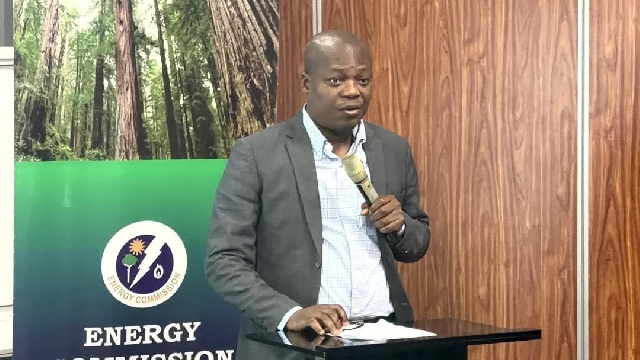 Prof John Gatsi
The Energy Commission has commenced a two-day board meeting at Ho in the Volta Region to review the Draft Electric Vehicle (EV) Charging Infrastructure and Battery Swap Systems Regulation.
The meeting marks a significant milestone in Ghana’s drive to establish a comprehensive legal and regulatory framework for the emerging Electric Vehicle (EV) sector.
Participants at the meeting include the Board Chairman, board members, the Deputy Executive Secretary, a consultant, staff of the Commission and members of the media.
Board Chairman of the Commission, Prof John Gartchie Gatsi, explained that the proposed regulations will provide the Commission with the legal mandate to regulate the entire EV charging infrastructure and battery swap systems value chain.
According to him, once the draft regulation is approved and passed, the Commission will be responsible for licensing and regulating all EV charging infrastructure and battery swap systems manufacturing, assembly, importation, installation and operation in Ghana.
Prof Gatsi outlined four key areas covered under the draft regulation: residential charging stations, workplace charging stations, public and commercial charging stations, and safety requirements for charging stations and battery swap systems.
Deputy Director of Energy Efficiency Regulation, Mr. Kennedy Amankwah, welcomed participants and underscored the importance of transparency and public awareness in the development of Ghana’s EV regulatory framework.
He reiterated that the Energy Commission is the official body mandated to regulate EV charging stations in the country.
He further noted that the Commission, in collaboration with the Ghana Standards Authority, has developed and published GSA-approved EV Charging Infrastructure, Vehicle and Battery Standards to guide the sector.
Ms. Joyce Caitlyn Ocansey, Coordinator of the Drive Electric Programme, reaffirmed the Commission’s commitment to ensuring that Ghana’s EV infrastructure and battery swap systems are safe, reliable and sustainable.
She indicated that the regulation will help prevent Ghana from becoming a dumping ground for outdated internal combustion engine (ICE) vehicles, particularly as such vehicles are being phased out in the European Union and other jurisdictions.
She added that the move will usher in a new era of green and sustainable transport technology and support Ghana’s efforts to meet its climate targets.
The Commission has also undertaken stakeholder sensitisation and awareness engagements in selected regional capitals to promote broad participation in the regulatory process.
Once approved by Parliament, the EV regulation is expected to serve as a critical framework for building a safe, efficient and well-organised EV charging ecosystem under the oversight of the Energy Commission.
Source: Classfmonline.com/Cecil Mensah


Trending News

Former student speaks about misconducts at Royal Nursing Training College
12:51
Minority raises alarm over delayed rent allowances to Ghana Prisons Service officers
19:10
33-year-old woman remanded over Mamprobi Polyclinic baby theft
22:24
Works and Housing Minister assures public of action on water crisis
02:24
CDAG demands NPA revoke licenses of OMCs selling contaminated fuel
12:35
GH¢23bn cocoa road contracts deepened COCOBOD’s crisis -Roads Minister
17:56
NSA Board Chairman engages TEIN leadership at UNIMAC
14:11
GWL needs over ₵3.5bn to replace ageing pipelines
16:06
OSP probes alleged diversion of palm oil consignment meant for Burkina Faso
13:32
IGP Yohonu confirms arrests over killing of father-in-law of Sammy Gyamfi
21:58