
Gold, poison and kidneys: A true story Ghana must hear
Feature Article
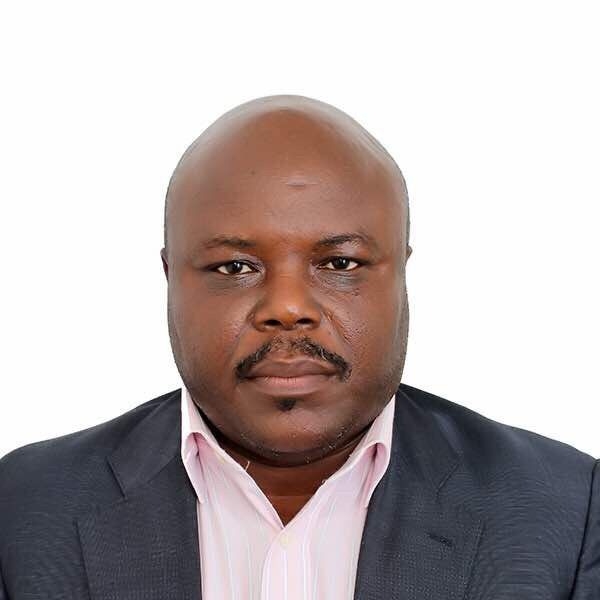 Joseph Cudjoe
This piece isn’t intended to blame any government or political party. It is intended to help increase awareness of kidney damage risks, which are increasing in Ghana.
I learnt of this risk in about 1990 in Obuasi when Anglogold (Ashanti Goldfields) installed its globally acclaimed innovative sulphur treatment plant (the STP - BIOX), which uses bacteria to remove sulphur compounds (pollutants) from water as part of its gold recovery process.
My cousin was the Mechanical Engineer in charge of running the plant. I was then a BSc Mathematics undergrad at KNUST. When he took me on a visit to the plant, he told me of the risks of excessive poisons which the mining industry is unleashing into our environment and warned that Ghana shouldn’t allow individuals to do mining because they cannot safely handle these deadly pollutants in the same way Ashanti Goldfields was doing by investing in the expensive sulphur treatment plant.
Directly, he mentioned kidney damage associated with the chemicals used in recovering gold.
- the compounds of cyanides, mercury, arsenic, etc.
Being a science student then, I understood and appreciated the explanations he gave me. So over the past 35 years, I have keenly observed the kidney damage risks unfold.
For example, the availability of dialysis machines in our hospitals hasn’t been a mainstream news topic until recent times.
Unfortunately, my cousin, then a Mechanical Engineer and who later became Contracts Manager for Anglogold Ashanti after studying law, died of kidney failure, and I have had reduced kidney function from my last test.
His words to me when he discovered he had kidney damage were “Taywee, I’ve been hit”.
Yes, he calls me Taywee, short form for Tawiah. After saying to me he had been hit, my question to him was, “Hit by what?”.
He said, “I have been hit by kidney damage and you know I’ve been talking about this risk for a long time•.
This conversation took place in his office in Accra. He was then the Executive Secretary for the Ghana Institution of Engineers. Since then, I have been interested in and observing kidney-related news, and it keeps becoming alarming.
At this stage, the question will remain, “Who will act to save the people of Ghana from the increasing risks of kidney diseases?”
Amongst friends, I have told this kidney disease risks story for 35 years, ever since my cousin educated me about it but I think the time is right to tell it publicly to increase awareness. May his soul continue to rest in perfect peace.
Hon Joseph Cudjoe
Fmr Minister, Public Enterprises
Fmr MP, Effia Constituency
Source: Classfmonline.com


Trending News

'Commercial farming is Ghana’s future': Ayariga bemoans multibillion-dollar drain, warns against dependence on imports
17:44
OSP rejects Martin Kpebu’s claims of “Self-Investigation,” describes allegations as misleading
07:14
Kwabena Agyepong's campaign manager endorses Bawumia ahead of NPP presidential primary
07:38
Accra Mayor preps city for Christmas, leads sanitation and beautification drive
19:41
WAEC exec outlines skills gap causing decline in math performance
23:39
Nungua Stool defends government board appointee Ben Danso amid land dispute
17:38
Ofankor-Nsawam-Kumasi road: President Mahama pleased with 'rapid progress' after last visit 90 days ago, anticipates April 2026 finish
01:17
Minority demands prosecution over alleged GHS10m overspending at Transport Ministry
08:33
Ablekuma West MP secures jobs for constituents through targeted lobbying efforts
09:36
Ghana AIDS Commission reaffirms commitment to ending HIV epidemic by 2030
10:54
