
Why Ofori-Atta can't be extradicted by US: Supreme Court affirms validity of 1931 US–UK extradition treaty in Ghana
General News
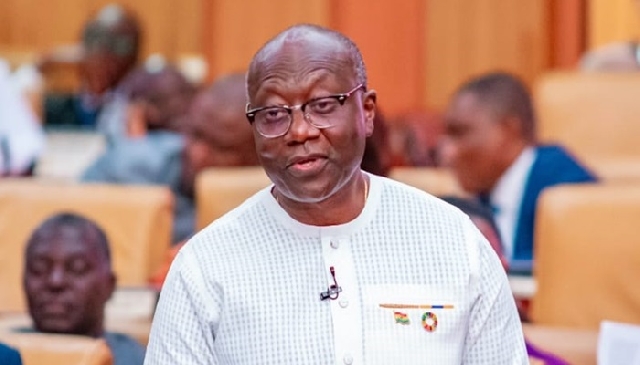 Ken Ofori-Atta
Ghana’s Supreme Court has ruled that the 1931 Extradition Treaty between the United States of America and Great Britain remains applicable in Ghana and forms part of the country’s existing law.
In a unanimous decision, the apex court held that Ghana succeeded to the treaty upon gaining independence, since the country—then known as the Gold Coast—was part of the British Empire at the time the treaty was executed.
The ruling was delivered in Reference No. J6/01/2024, in a matter arising from an application for extradition.
The court also affirmed that a trial magistrate has jurisdiction to hear and determine extradition applications under Ghanaian law.
“We are of the firm view that the trial Magistrate had jurisdiction to consider and determine the application for extradition before her,” the court stated, citing the clear procedures laid out in the Extradition Act, 1960 (Act 22), as well as established judicial authority, including Ex parte Allotey.
Although the justices agreed on the magistrate’s jurisdiction, they deemed it necessary to clarify the legal status of the 1931 treaty and address lingering questions about its applicability in Ghana.
Answering the central legal question posed, the Supreme Court held that:
The 1931 Extradition Treaty between the United States of America and Great Britain is one of the treaties Ghana succeeded to at independence; and
The treaty constitutes part of Ghana’s existing law under Article 11 of the 1992 Constitution.
The decision was signed by a seven-member panel of the Supreme Court, comprising Justices H. Kwofie, G. Pwamang, M. Owusu (Ms.), Prof. H.J.A.N. Mensa-Bonsu (Mrs.), E. Yonny Kulendi, B. F. Ackah-Yensu (Ms.), and Y. Darko Asare.
Counsel for the first fugitive/applicant was Nicholas Lenin Anane Agyei, Esq., with Nii Amartey Amarteifio.
The Republic was represented by Principal State Attorney Richard Gyambiby, assisted by Yvonne Yaache-Adomako and Ackah Nyameke, with the prosecution team led by the Director of Public Prosecutions, Mrs. Yvonne Atakora Obuobisa.
The ruling is expected to have significant implications for extradition proceedings in Ghana, particularly in cases involving requests from the United States, as it settles longstanding questions about the continued force of pre-independence treaties within Ghana’s legal framework.
Meanwhile, the Chargé d'Affaires at the U.S. Embassy in Accra, Rolf Olson, who was speaking at a media roundtable conversation with visiting Deputy Assistant Secretary for West Africa in the U.S. Department of State’s Bureau of African Affairs William B. Stevens, noted that the U.S has established processes and protocols that will be activated in the event of any request for the extradition of any person of interest for Ghanaian law enforcement agencies.
His comments come in the wake of questions over why the Special Prosecutor, Kissi Agyebeng, is yet to successfully secure the extradition of former Finance Minister Ken Ofori-Atta, who has been on his wanted list since the beginning of the year.
At the start of his trial in absentia Thursday, December 11, following the filing of a 78-count indictment alleging corruption and financial loss to the state, the OSP told the courts that while some of the accused, including Mr Ofori-Atta, are currently outside Ghana and have cited health reasons for their absence, it has applied appropriate legal mechanisms, including summons and cooperation with international law enforcement where applicable, to ensure appearances as required by law.
More to come !
Source: Classfmonline.com/Cecil Mensah


Trending News
CDM warns against shifting Gold-for-Reserves losses to taxpayers
06:33
One person dead and 37 people injured in crash involving Zhong Tong bus and Man Diesel truck at Suhum Mankrong
14:46
Police secure conviction of 2 robbery suspects in Ashanti South
13:46
ICE: Ken Ofori-Atta detained by US immigration authorities, lawyers assure public of imminent resolution
02:18
Hajj 2026: PAOG closes payments with immediate effect to prevent over-subscription
00:05
NPP delegates kneel before Bawumia to appeal for Amin Adam to contest Karaga seat again!
06:29
IPGs acknowledge settlement of outstanding power debts, praise government for resolving arrears
14:47
Anidaso Parkinson’s Disease Foundation condemns stigma, backs Franklin Cudjoe after disclosure
11:17
Court remands suspect into police custody for attempted murder, causing harm
21:00
Ghana and World Gold Council forge partnership to curb illegal mining
21:28