
1 pesewa, 20 pesewa or any cedi coin is Ghana money; Don’t reject it - BoG warns traders
Business
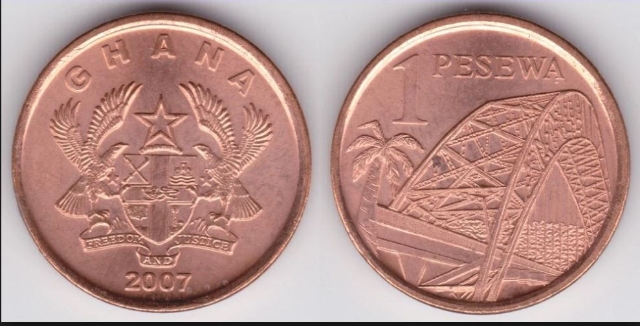 1 pesewa
The Bank of Ghana has served notice that every coin it issues, from the 1 pesewa piece to the GH¢2 coin, remains legal Ghanaian currency, and has warned traders, transport operators and businesses against refusing to accept them.
In a notice dated 22 July 2026, the Bank said it had observed with concern the widespread and persistent refusal by traders, transport operators and other business entities to accept the 1, 5, 10, 20 and 50 pesewa coins, as well as the GH¢1 and GH¢2 coins, in payment for goods and services.
The Bank reminded the public that all coins issued by the Bank of Ghana, including the pesewa denominations, remain valid legal tender for settling debts and conducting transactions throughout the country, and have not been demonetised or withdrawn from circulation.
It said no trader, transport operator, business entity or individual has the discretion to unilaterally refuse these coins in payment for goods, services or other legitimate transactions on grounds of inconvenience, low value or personal preference.
The notice follows an earlier Bank of Ghana notice dated 14 July 2026 on the misuse, abuse and illegal handling of Ghana cedi banknotes and coins. While that notice addressed the physical misuse and defacement of the currency, the latest one deals separately with the unlawful refusal to accept coins as legal tender.
Rejection carries criminal penalties
The Bank warned that refusing to sell an article to a buyer simply because the buyer is paying with coins or notes constitutes an offence under the Currency Act, 1964 (Act 242), except where the particular coin or note is no longer legal tender.
A person convicted of the offence faces imprisonment for a term not exceeding three years, a fine, or both. The Bank added that instructing another person to reject coins — for example, a business owner directing staff to do so — is punishable in the same way as committing the offence in person. A person found in the act of committing the offence may also be arrested without a warrant.
Traders urged to comply
The Bank of Ghana strongly advised the public to desist from rejecting its coins, warning that persons and businesses who persist in this conduct may be subject to arrest, prosecution, fines or imprisonment.
It said it would work closely with the Ghana Police Service and other law enforcement agencies to enforce the law, and members of the public who encounter difficulties have been encouraged to report such instances to the nearest Bank of Ghana office, the Ghana Police Service, or through the Bank's official communication channels.
The notice, signed by the Secretary of the Bank, Ms Aimee Vyda Quashie, called on all individuals, businesses and institutions to accept and handle the national currency, in all its denominations, responsibly and in accordance with the law.
Source: classfmonline.com


Trending News

You admitted your appointees are into galamsey but no one has been prosecuted – Kofi Tonto slams Mahama
14:07
Wontumi Case: Don’t let emotions cloud justice - Solomon Owusu
11:58
Pru East MP reshapes Brekentey–Driver Akura feeder road to ease transport for communities
11:37
Convicted NPP TikToker to be sent to court again on another charge - Police hints
14:00
15 feared dead in multi-vehicle crash on Kumasi-Accra Highway
07:30
NPP constituency executive election: She printed her own 'ballot papers' - Okatakyie Afrifa accuses Afigya Sekyere East MP
12:33
Wontumi is a ‘political prisoner’ - Kofi Tonto says
14:04
Chairman Wontumi has arrived at Nsawam prison - Dr Palgrave Boakye Danquah confirms
15:02
Chairman Wontumi arrives at High Court ahead of Samreboi mining case ruling
09:32
EOCO GHS55m probe: Miracles is not a threat; NPP using national communicator ambition claim as distraction – Solomon Owusu
13:03
