
Interior Minister proposes mandatory drug tests for public sector jobs to deter student drug abuse
News
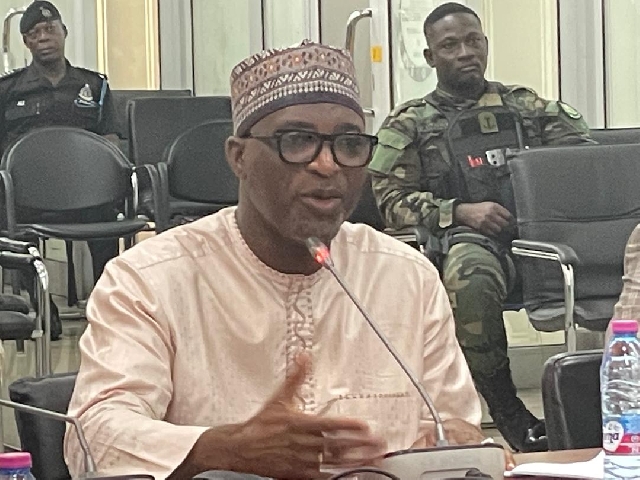 Minister for the Interior Muntaka Mohammed-Mubarak
Minister for the Interior Muntaka Mohammed-Mubarak has disclosed that government is considering mandatory drug and mental health screening as part of the recruitment process for public sector employment, describing the proposal as a key deterrent against drug abuse among students and young people.
Speaking during a Public Assurance Committee hearing in Parliament, the minister said the proposal, which has been submitted to Cabinet for consideration, seeks to ensure that prospective employees in the public service meet prescribed mental health and drug-free standards before they are employed.
According to him, the policy is intended not only to protect the integrity of the public service but also to discourage students from abusing narcotic drugs by making them aware that drug use could jeopardize their future career opportunities.
“If young people know that using drugs today could prevent them from becoming police officers, soldiers, nurses, teachers or other public servants tomorrow, it will serve as a strong deterrent,” the Minister indicated.
He revealed that a pilot exercise conducted during a recent public sector recruitment process resulted in more than 6,000 applicants being disqualified after failing drug and mental health assessments, a development he said underscores the need for stricter screening measures.
The Interior Minister explained that the proposed employment screening forms part of a broader national strategy to address drug abuse, particularly among students. He said the strategy combines preventive education, treatment and rehabilitation, school-based awareness programmes, enforcement of the narcotics laws and efforts to dismantle drug trafficking networks.
Mr Mohammed-Mubarak added that government is also working towards establishing a state-owned rehabilitation centre to improve access to treatment for persons battling substance abuse, noting that Ghana currently relies largely on faith-based and private rehabilitation facilities.
He maintained that tackling drug abuse requires sustained education, meaningful deterrence and strong enforcement, stressing that preventing young people from engaging in drug use is critical to safeguarding their future and strengthening national development.


Trending News

8 police officers interdicted after fatal shooting at Sayerano
20:53
C/R: JHS student hospitalised after machete attack during school clean-up exercise
20:50
GNACOPS says GES graduation ban doesn't specifically cover private schools
05:29
National House of Chiefs urges permanent solution to recurring flooding
14:46
GES stops salary of Bole SHS teacher wanted over alleged misconduct with student
14:04
Bawumia calls for state of emergency over flood crisis
16:44
New Asantehemaa chooses Nana Yaa Akyaa II as stool name
20:50
Akofena confirmed as successor to Kantanka empire following reading of Apostle Safo’s will
20:46
Akufo-Addo describes education as key to Africa's development
04:32
Government to mainstream agroecological practices under Feed Ghana programme
14:43
