

Ya-Naa Abukari II: Dagbon Kingdom mourns, reflects on legacy of 'building bridges of peace'
News
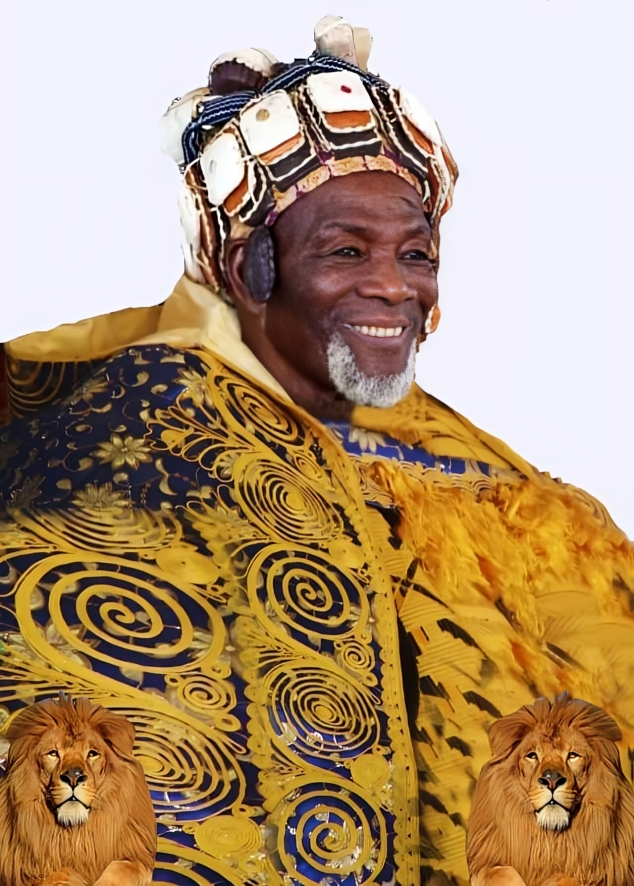 The late Ndan Yaa-Naa Abukari II
The Dagbon Kingdom is mourning the passing of its King and Overlord, Ndan Yaa-Naa Abukari II, whose death was officially confirmed after reports initially circulated on Friday, July 10, 2026.
According to information available to Class Media Group's (CMG) Dagbon FM, news of the king's passing first emerged on Friday but was met with disbelief by many residents. However, reports resurfaced on Saturday, July 11, this time gaining widespread attention across the kingdom and beyond following confirmation by prominent figures in Dagbon.
Official communication has since confirmed that Yaa-Naa Abukari II passed away on Saturday, July 11, 2026, at the age of 87.
Laid to Rest at Gbewaa Palace
In accordance with Islamic tradition and the customs of the Dagbon Kingdom, Yaa-Naa Abukari II was laid to rest within the sacred precincts of the Gbewaa Palace in Yendi in the early hours of Monday, July 13, 2026.
His burial was marked by traditional drumming, appellations and cultural rites as he was escorted on his final journey.
As part of Dagbon custom, a bull was slaughtered and shared among the elders (Yeni Kpamba) to signify the end of his reign.
The Dagbon Kingdom has announced that third-day prayers will be held at the Gbewaa Palace on Thursday, July 16, 2026, at 10 AM, with the public invited to attend and offer prayers for the late King.
Formal funeral arrangements will be announced later in accordance with Dagbon tradition and royal protocol.
From Gate Skin to Yaa-Naa
Born on January 1, 1939, at Mion to Mahama II, a former Yaa-Naa, Abukari II first served as the chief of Kpunkponobefore becoming chief of Savelugu, one of the three gate skins eligible to ascend to the Dagbon skin.
He was enskinned as the 41st Yaa-Naa on January 18, 2019, bringing an end to the 16-year Dagbon chieftaincy dispute that had left the Yendi skin vacant.
A member of the Andani Royal House, he succeeded Yaa-Naa Yakubu II.
The Dagbon State has clarified that the late king should be referred to as Yaa-Naa Abukari II and not Yaa-Naa Abukari Mahama II.
Legacy of Peace and Reconciliation
Ya-Naa Abukari II's reign is widely remembered for restoring peace and stability to Dagbon following years of conflict.
President John Dramani Mahama commended him for playing a "critical role in the Otumfuo Committee resolution of the Dagbon crisis," noting that "since Yaa Naa Abukari mounted the Skin, Dagbon had been at peace."
The University for Development Studies (UDS) also conferred an honorary doctorate on him in recognition of his "remarkable leadership in unifying Dagbon and steering the traditional area toward sustainable development" and for "championing peace and reconciliation across Dagbon following decades of chieftaincy conflict."
The late king often emphasised the importance of peace, declaring: "I love those who build bridges of peace, but I do not like those who destroy the peace."
Development Initiatives
During his reign, Ya-Naa Abukari II initiated several development programmes and reforms across the kingdom.
In 2022, he established the Dagbon Development Fund to implement a 10-year strategic development plan aimed at improving livelihoods and promoting the social, economic and cultural development of Dagbon.
In October 2025, he banned the illegal trade and possession of hard drugs, including tramadol, and directed chiefs to work with the security agencies to enforce the directive.
He also initiated the construction of a new Gbewaa Palace, describing it as a symbol of unity for the kingdom. The first phase of the project was nearing completion.
In February 2025, he paid a historic visit to the Yagbonwura in Gonjaland to strengthen relations between the two traditional kingdoms.
Remembered for His Leadership
Ya-Naa Abukari II was widely described as a reasonable, level-headed and peace-loving leader.
The Dagbon Advocacy Network commended his "exemplary leadership and unwavering commitment to the welfare of the people of Dagbon."
His reign is remembered for efforts to promote reconciliation, strengthen traditional institutions and advance the development of the Dagbon Kingdom.
Source: classfmonline.com


Trending News

Cabinet begins final review of government's position on constitutional reforms
13:04
'We can build a maintenance culture' – VP Opoku-Agyemang calls for greater role for technicians
18:38
Anfoega Wadamaxe residents plead for completion of abandoned road, electricity supply
12:05
Pig Farm Assembly Member calls for law to make national cleanup monthly and compulsory
20:31
Nkokɔ Nkitinkiti: Minister finds possible silver lining as beneficiaries flout rules by eating breeding stock
16:19
Kwame Agbodza warns contractors: Submit work plans or risk payment cuts
05:43
Woman, 61, gives birth through Mary Lucy Hospital's Stem Cell-Enhanced IVF procedure
19:17
Community leaders engage Korle Woko residents over concerns about alleged prostitution
12:42
Don’t intimidate citizens; explain your actions – VP tells security agencies
18:44
Okatakyie Afrifa Mensah's team confirms police custody, alleges 4 associates sustained gunshot injuries
04:04
