

Diseases and snakebites: GHS issues public health alert over rainy season risks
Health News
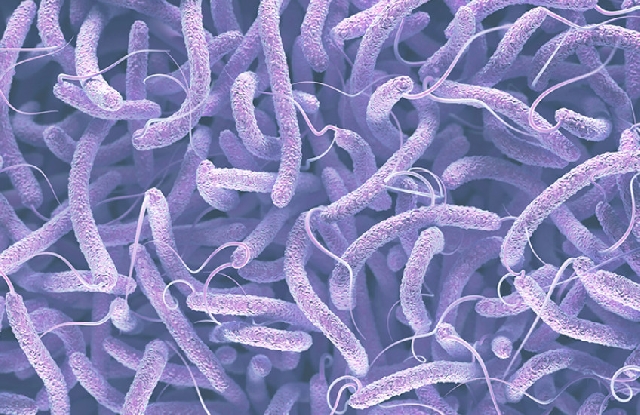 A microscopic image of cholera
The Ministry of Health, through the Ghana Health Service (GHS), has issued an official public health alert warning citizens of the health and safety risks associated with the onset of the rainy season.
The directive, signed by the Director-General of the Ghana Health Service, Dr Samuel Kaba Akoriyea, outlines urgent guidelines to prevent disease outbreaks and manage environmental hazards.
Rising Risk of Waterborne and Mosquito-Borne Diseases
According to health authorities, the transition from prolonged dry periods to early rains significantly increases the risk of waterborne illnesses. Rainwater can wash contaminated faecal matter into open water sources, heightening the transmission of:
- Typhoid
- Cholera
- Dysentery
The GHS also warned that vegetables grown close to water bodies face a high risk of contamination during this period.
Furthermore, stagnant water pooling in discarded containers, old tyres, and cans creates ideal breeding grounds for mosquitoes, raising the risk of vector-borne diseases such as malaria, yellow fever, and dengue fever.
Preventive Measures for the General Public
To mitigate these health hazards, the GHS advises individuals to strictly observe the following hygiene and safety practices:
- Keep household surroundings clean and entirely free of containers that can collect stagnant water.
- Clear bushes and overgrown vegetation around homes.
- Ensure all food is thoroughly cooked before consumption.
- Wash fruits and vegetables properly using clean water and salt or vinegar.
- Purchase food items exclusively from hygienic and reputable sources.
- Wash hands regularly with soap under running water, particularly before handling food.
- Report promptly to the nearest health facility if any symptoms of illness occur.
Directives for Food Vendors
Food vendors face heightened regulatory scrutiny during the rainy season to prevent contamination. The GHS has instructed all operators to:
- Source food items strictly from hygienic and approved suppliers.
- Maintain rigorous food safety practices during preparation and storage.
- Separate raw food items, such as raw fish, from cooked or ready-to-eat foods.
- Thoroughly wash all fruits and vegetables with clean water and salt or vinegar.
- Ensure their official food handling certificates are valid and up to date.
Displacement of Reptiles Due to Flooding
The press release notes that heavy rainfall and resultant flooding can force reptiles out of their natural habitats, increasing the likelihood of dangerous human contact.
To minimise this risk, members of the public are advised to keep doors and windows closed where possible, raise personal belongings off the floor, and fill any holes or clear bushes around their properties that could serve as hiding places for these animals.
The Ministry of Health and the Ghana Health Service reiterated their commitment to safeguarding public health, emphasizing that public cooperation is essential to preventing widespread disease outbreaks this season.
Source: classfmonline.com


Trending News

Government to mainstream agroecological practices under Feed Ghana programme
14:43
Prayer must be matched with hard work to build Ghana – Prez. Mahama
13:05
Accra Flood disaster: 7,761 households affected, 7 still missing – Interior Minister
14:43
Interior Ministry urges public to stay indoors as flooding disrupts parts of Ghana
13:59
Supreme Court dismisses challenges to removal of former Chief Justice Torkornoo
14:39
GAF clears over 50% of Accra–Kumasi expressway corridor ahead of construction
12:58
E/R: Adamorobe Traditional Council to petition roads minister over poor road network
16:24
Ghana school of law postpones exams over flooding in Accra
10:48
High Court dismisses 'no case' submission in $2m Accra SkyTrain trial, ordering former GIIF officials to open defence
13:39President Mahama urges Ghanaians to reject division, embrace unity and dialogue
12:37