
GFL Secretary General laments abandonment of Tema cocoa silos
Business
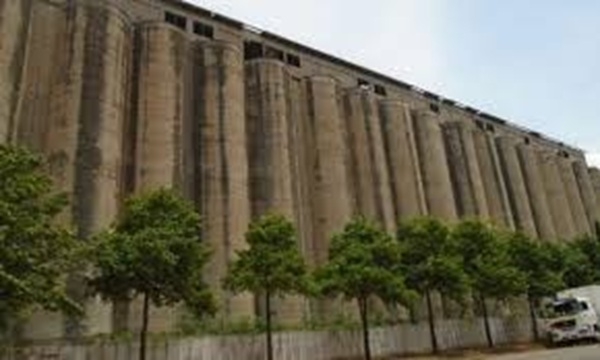 Cocoa silo at Tema
Secretary General of the Ghana Federation of Labour (GFL), Abraham Koomson, has raised concerns over the continued abandonment of the cocoa silos at Tema in the Greater Accra Region, describing the situation as a lost strategic opportunity for Ghana’s cocoa industry.
Mr. Koomson said Ghana’s first President, Kwame Nkrumah, foresaw potential challenges in the global cocoa market and initiated the construction of the large-scale silos as a buffer against international price manipulation.
According to him, the project was intended to enable Ghana to regulate cocoa supply by storing excess produce during periods of low global prices and releasing stocks when prices improved, thereby protecting national revenue and stabilising earnings.
Constructed in the 1960s at an estimated cost of £8.5 million, the silos had a storage capacity of about 200,000 tonnes. They formed part of Nkrumah’s broader industrialisation and agricultural self-sufficiency agenda at a time when Ghana accounted for more than 40 percent of global cocoa production but remained vulnerable to external market pressures.
However, following the 1966 coup that removed Nkrumah from office, the project was abandoned before fully serving its intended purpose, later earning the label of a “white elephant” among critics.
Speaking on Ahotor FM, Mr. Koomson noted that Nkrumah’s vision extended beyond exporting raw cocoa beans.
He referenced initiatives such as the establishment of West African Mills to promote local processing and value addition as part of efforts to strengthen Ghana’s economic independence.
Reacting to recent controversies involving the Ghana Cocoa Board (COCOBOD), he stressed that cocoa and gold remain central pillars of Ghana’s economy and must therefore be managed strategically and transparently.
Mr. Koomson called on the government to revisit the abandoned infrastructure and consider reviving or repurposing it in line with national economic interests, arguing that Ghana cannot afford to neglect assets originally conceived to safeguard its economic sovereignty.
Source: Classfmonline.com/Cecil Mensah


Trending News
Mahama meets UN Chief, discusses African security, democracy
23:31
IShowSpeed secures Ghanaian passport, relishes dual citizenship
10:33
Tema Central: Minority demands arrests over ‘unlawful’ closure of NHIS office, immediate resumption of service
16:12
Asikado Ketan MP calls for stronger national recognition of Fugu
17:14
Non-teaching university unions gives GTEC two-week ultimatum to halt retirement policy
07:25
Baba Jamal Mohammed denies vote-buying allegations, appears before party committee
12:48
NDC Zongo Caucus leader urges party leaders to respect Ayawaso East primary outcome
14:37
AMA doubles allowance for street sweepers
18:41
DVLA boss praised for expanding jobs through new station recruitment
07:17
Energy Minister engages PSWU over proposed merger of Energy Commission and PURC
11:13
