
Highlife on UNESCO ICH list: President Mahama's visionary leadership, support made it possible - MoTCCA says
Culture
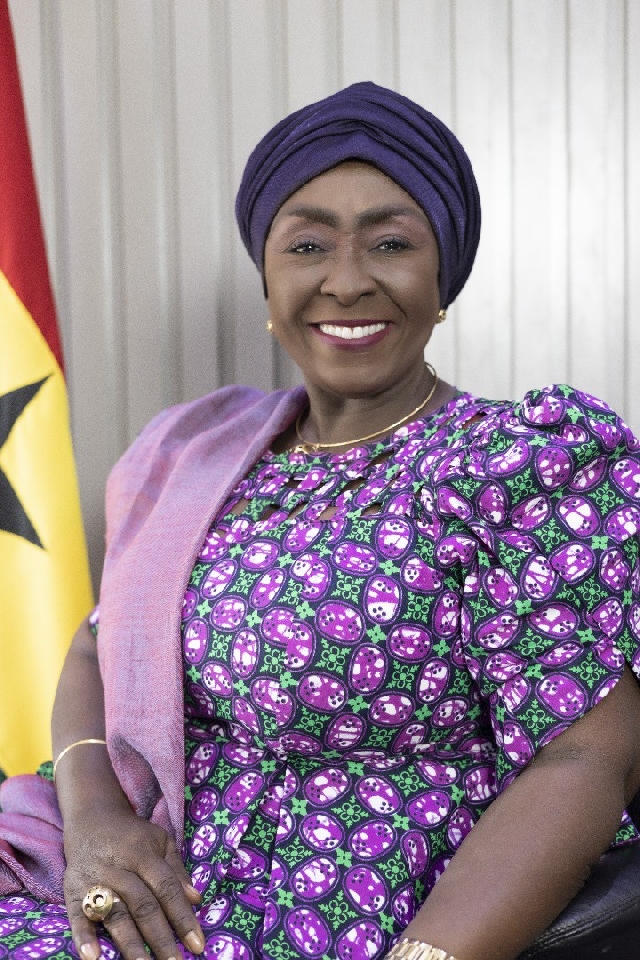 MP, Tourism Minister Abla Dzifa Gomashie
The Ministry of Tourism, Culture, and Creative Arts (MoTCCA) has expressed its “profound gratitude to President John Dramani Mahama, whose visionary leadership and unwavering support for the creative sector have been instrumental in securing this important national milestone,” following the inscription of Ghana’s Highlife Music and Dance onto UNESCO’s List of Intangible Cultural Heritage (ICH).
The ministry, led by Abla Dzifa Gomashie, described the “successful inscription” as a “historic recognition [that] affirms Highlife Music and Dance not only as a cherished national treasure, but also as a vibrant cultural legacy that has shaped musical identities across Africa and the world.”
MoTCCA highlighted the rich history of Highlife, noting the contributions of various Ghanaian ethnic groups and the genre’s evolution over time.
"Highlife emerged in the early 20th Century along the Gold Coast, drawing inspiration from indigenous Ghanaian rhythms, storytelling traditions, and dances such as Adowa, Kpanlogo, and Agbadza. Over time, it blended these African foundations with influences from brass-band regiments, West Indian sailor songs, and Western instruments introduced through coastal interactions. The result was a distinct, richly layered sound, melodic guitars, rhythmic percussion, and expressive horns that carried the lived experiences, joys, struggles, and aspirations of the Ghanaian people," MoTCCA explained.
It continued, "The accompanying Highlife dance forms were equally influential, characterized by graceful footwork, communal expression, and celebration of social harmony. Together, Highlife music and dance became powerful cultural symbols, uniting communities, inspiring generations of musicians, and projecting Ghana's creative excellence onto the global stage."
MoTCCA also acknowledged the dedicated work of its teams and partner agencies; the Musicians Union of Ghana (MUSIGA); the National Commission for UNESCO (GNATCOM); and the UNESCO Country Office in Accra.
"Your tireless efforts, research, stakeholder engagement, and advocacy made this achievement possible," the ministry noted.
In its statement, posted to Facebook on Thursday, December 11, 2025, the ministry concluded with a renewed commitment to safeguarding and showcasing Ghana’s cultural heritage.
"As we celebrate this remarkable accomplishment, the Ministry assures all Ghanaians that we remain committed to deepening our cultural preservation efforts and championing Ghana's creative heritage on every global platform. We will continue to work even harder to win more laurels for our nation and to ensure that Ghana's cultural assets receive the recognition they richly deserve," the statement said.
UNESCO’s List of Intangible Cultural Heritage (ICH) is a global registry dedicated to safeguarding the living traditions, knowledge systems, and artistic expressions that communities pass from one generation to the next. Unlike monuments or physical artefacts, ICH encompasses practices such as music, dance, craftsmanship, oral traditions, festivals, and social rituals — elements that shape identity, strengthen social cohesion, and preserve cultural memory. By inscribing items onto this list, UNESCO recognises their universal value, encourages their protection, and promotes international cooperation to ensure these unique cultural expressions continue to flourish in the face of modernisation and globalisation.
1. Essential Highlife Icons, include:
- E.T. Mensah – “King of Highlife,” pioneer of dance-band Highlife
- Nana Ampadu – Leader of the African Brothers Band, prolific storyteller
- Dr. Paa Bobo – Known for melodic, guitar-driven Highlife
- A.B. Crentsil – Renowned vocalist and songwriter
- Gyedu Blay Ambolley – Legendary Jazz and Highlife singer-songwriter, rapper, and multi-instrumentalist
- Jerry Hansen – Founder of the Ramblers International Band, cultural ambassadors who officially travelled with Dr Kwame Nkrumah
- Paapa Yankson – Iconic baritone, celebrated for soulful Highlife ballads
2. Transitional Icons, include:
- Kojo Antwi – “Mr Music Man,” blended Highlife with Reggae and Afropop
- Daddy Lumba – Burger Highlife champion of unmatched versatility
- Amakye Dede – Highlife stalwart with decades-long influence
- Ofori Amponsah – Highlife superstar of the 2000s, specilised in romance as “Mr All4Real,”
- Bessa Simons – Music director, performer, and industry leader
- Pat Thomas – “Golden Voice of Africa,” known for sweet-toned vocals and classic Highlife style
3. Neo-Highlife Artists, include:
- Kofi Kinaata – Modern Highlife lyricist, multiple award-winning storyteller
- Akwaboah – Blends soul, Highlife, and contemporary instrumentation
- Kuami Eugene – Revitalising modern Highlife with youthful energy
- Fameye – Known for soulful, reflective Highlife-influenced music
- Adina – Infuses Highlife melodies into contemporary Afrobeat
- Kwabena Kwabena – Modern romantic Highlife icon
Source: classfmonline.com


Trending News

Okada legalised in Ghana as Parliament passes bill
19:26
Parliament has collapsed; no law is functioning —Michael Okyere Baafi claims
17:26
Hopeson Adorye reveals details of legal settlement with Agradaa on CTV
17:50
Kpandai poll annulled: Parliament gives EC green light for new election
20:12
V/R: Ho Teaching Hospital opens meditation garden, music therapy studio
17:22
KAA 2028 campaign denounces false claims of endorsing President Mahama
15:15
President Mahama celebrates Peace Council, urges nation to confront causes of conflict
17:25
Roads Ministry launches reforms to ensure quality bitumen supply
17:33
GEA removes 218 district coordinator workforce, triggers backlash from staff
18:32
GIMPA Law School Dean strengthens ties with international justice bodies on historic visit to The Hague
10:07