

Ashanti, Eastern Regions now home to Ghana’s largest poor populations
News
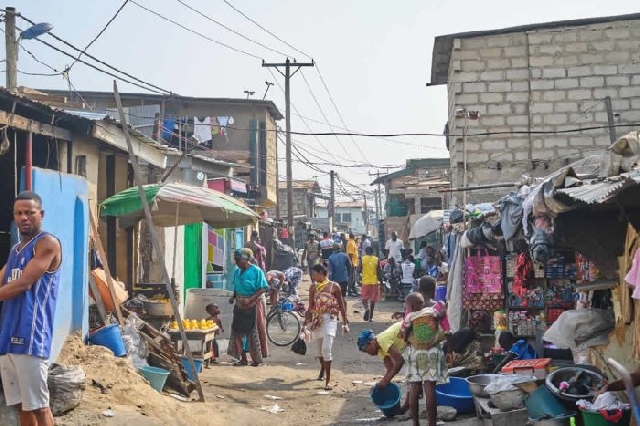 A community in Ghana
Ghana’s poverty landscape is shifting, with Ashanti and Eastern regions now accounting for the largest numbers of people living in multidimensional poverty, each exceeding one million affected residents. The trend highlights how population growth is increasingly shaping the country’s deprivation profile, even as overall national poverty indicators show improvement.
Although North East and Savannah regions continue to record the highest poverty rates — both above 50 percent — newer data indicates that more populous regions are bearing the greatest share of the total poverty burden in absolute terms.
A sharp divide persists between rural and urban areas. By the third quarter of 2025, multidimensional poverty stood at 31.9 percent in rural communities, more than twice the 14.2 percent recorded in urban areas, pointing to persistent inequalities in access to essential services, livelihoods, and economic opportunities.
In contrast, Greater Accra and the Western Region posted the lowest poverty levels nationwide, both remaining under the 20 percent mark. The contrast underscores deep regional imbalances and reinforces calls for location-specific policy interventions.
Structural challenges continue to drive deprivation across the country. Poor living conditions and health-related shortcomings remain the most significant contributors, with lack of health insurance responsible for 26.5 percent of multidimensional poverty. Other key factors include inadequate nutrition (14.4 percent), unemployment and underemployment (12.3 percent), low school attendance (8.5 percent), household overcrowding (8.4 percent), and insufficient toilet facilities (8.0 percent).
The report also warns of emerging risks that could slow or reverse recent progress. Between the second and third quarters of 2025, overcrowding deprivation surged sharply, nearly doubling from 11.4 percent to 21.6 percent. School attendance challenges worsened over the same period, rising from 7.0 percent to 9.4 percent, while employment-related deprivation increased from 3.8 percent to 4.5 percent, suggesting growing labour market stress among vulnerable households.
Overall, the findings suggest that addressing poverty in Ghana now requires a renewed focus not only on regions with the highest rates of deprivation, but also on areas where the largest numbers of people are affected — a shift that carries significant implications for public investment, infrastructure planning, and the design of social protection programmes.
Source: Classfmonline.com/Zita Okwang


Trending News

Vice President Opoku-Agyemang engages Jacob’s Foundation to strengthen foundational education in Ghana
14:32
US Embassy in Accra opens additional non-immigrant visa appointment slots
16:53
Interior Minister assures Immigration Council of support
08:31
GNFS brings Ashaiman Golf City warehouse fire under control, saves adjoining facilities
12:15
Santasi–Asokwa traders demand compensation before road project evictions
17:56
Police retrieve vehicle used in Adabraka gold jewellery shop robbery: one more suspect arrested
07:47
Concerned resident appeals for urgent intervention to restore peace in Kwahu Abene
10:08
Okai Mintah meets UG TEIN executives, reaffirms commitment to strengthening student political engagement
09:57
Ghana initiate talks to reclaim Kwame Nkrumah’s former residence in Guinea
14:04
Kwabena Agyepong launches ‘new dawn agenda’ ahead of NPP flagbearer vote with 6 core pillars
15:19
