
Ashanti Tomato Queenmother warns of fresh tomato price surge, shortage after Burkina Faso trade disruptions
News
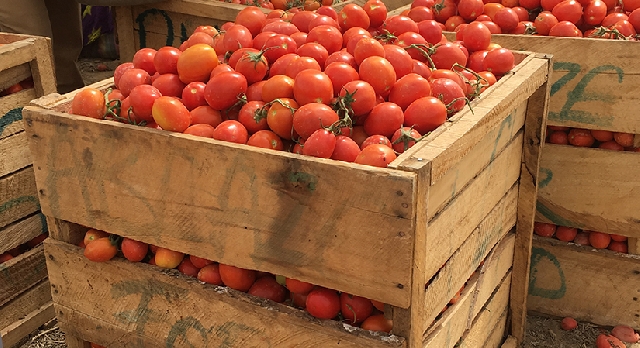 Tomatoes
Ghanaians have been urged to prepare for a nationwide rise in fresh tomato prices and a possible supply shortage following deadly terrorist attacks on Ghanaian importers in neighbouring Burkina Faso.
The warning was issued by the Ashanti Regional Tomatoes Queenmother, Nana Abena Serwaa, who expressed serious concern over the safety of traders and the resulting instability within the country’s vegetable supply chain.
The alert comes amid escalating violence in northern Burkina Faso, where armed terrorist groups recently ambushed convoys of Ghanaian traders, killing eight people and injuring several others.
The attack has sent shockwaves through the trading community and significantly disrupted the movement of fresh produce into Ghana.
Ghana currently relies on imports for about 100,000 metric tonnes of tomatoes out of its 800,000-tonne annual demand, especially during the dry season when local production drops sharply.
The cross-border trade, valued at approximately GH¢650 million annually, plays a vital role in stabilising domestic supply and prices.
The Queenmother described the attacks as a sudden and troubling shift from a long-standing, though fragile, security arrangement.
Nana Serwaa explained in an interview with Kumasi FM's Elisha Adarkwah that traders previously encountered the terrorist along transit routes but were typically allowed to pass after presenting their Ghana Cards for identification.
She emphasised that traders can no longer be expected to risk their lives to sustain the country’s fresh tomato supply, urging the government to take immediate diplomatic actions to ensure the safety of Ghanaian importers operating across the border.
Beyond short-term security measures, she also called for ongoing investment in local agricultural infrastructure, particularly irrigation development.
Nana Serwaa said, building dams and expanding irrigation schemes would considerably boost dry-season tomato production, reduce Ghana’s dependence on imports, and protect consumers.
Source: classfmonline.com


Trending News

Sefwi Wiaso MP urges cocoa farmers to remain calm amid global market shifts
02:15
CLOGSAG threatens nationwide strike over unimplemented salary structure
12:23
Roads Minister attributes cocoa sector crisis to mismanaged road contracts
20:33
Police launch search for woman over alleged baby abduction at Manprobi Polyclinic
09:11
Protozoa slams COCOBOD's executive pay cut as inadequate in addressing cocoa farmers’ plight
14:57
Extradition hurdles may stall case against Russian national accused of filming Ghanaian women — Patrick Boamah
19:25
Government moves to extradite Russian national over alleged non-consensual intimate videos
06:15
JG Resources and directors to face contempt proceedings over alleged gold deal dispute
18:31
Minister signs MoU with GIDA VE TARIM University to secure scholarships for Ghanaian agriculture students in Turkey
02:03
Ashanti Tomato Queenmother warns of fresh tomato price surge, shortage after Burkina Faso trade disruptions
13:08