

Over 1,300 security recruitment applicants tested HIV positive during medical screening — Interior Minister
News
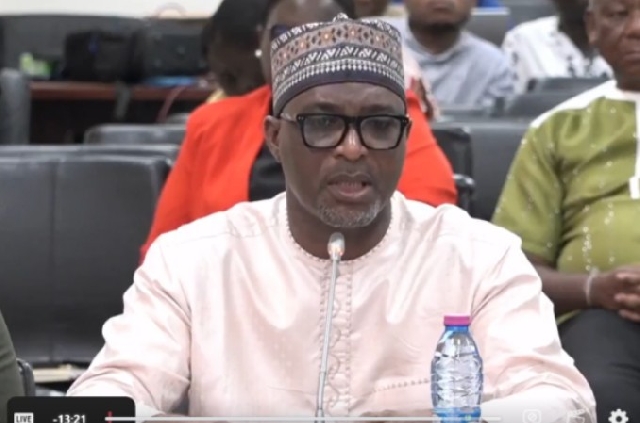 Minister for the Interior, Muntaka Mohammed-Mubarak
Minister for the Interior, Muntaka Mohammed-Mubarak, has revealed that approximately 1,300 applicants who participated in the recent security services recruitment exercise were diagnosed with HIV during the mandatory medical assessment.
The disclosure was made during his appearance before Parliament's Public Assurance Committee, where he explained why the government does not send medical screening results directly to applicants who fail the recruitment process.
According to the Minister, the decision is guided by the need to protect the privacy and emotional well-being of applicants while complying with internationally accepted protocols for communicating sensitive medical diagnoses.
He explained that unsuccessful applicants are instead provided with official contact details through which they can voluntarily request information about the reasons for their disqualification.
Mr Muntaka said individuals who choose to seek their results are first taken through professional counselling before being informed of any medical condition identified during the screening.
Referring to the latest recruitment exercise, the Minister said the process uncovered about 1,300 HIV-positive cases, stressing that such diagnoses should never be communicated without appropriate counselling and support.
Beyond HIV, he disclosed that the medical examinations also identified applicants with hepatitis B, heart-related conditions, mental health disorders, complications from previous major surgeries and drug-related issues.
The Minister noted that many of these conditions are manageable or treatable, making it important for affected individuals to become aware of their health status so they can access medical care and potentially qualify for future recruitment opportunities.
He therefore encouraged unsuccessful applicants to take advantage of the opportunity to request their medical reports, explaining that some may be living with conditions they are unaware of.
Mr Muntaka further revealed that more than 100,000 applicants underwent medical screening after successfully passing the aptitude test stage of the recruitment exercise.
Responding to questions from members of the Committee on whether applicants diagnosed with HIV had been informed of their status, the Minister clarified that the government does not contact affected individuals directly. Instead, applicants are expected to initiate contact if they wish to know the reasons they did not progress in the recruitment process.
He maintained that while the government has a responsibility to disclose medical findings upon request, such information cannot be communicated through phone messages or other impersonal means because of its sensitive nature.
Some members of the Public Assurance Committee, however, urged the Ministry to consider a more proactive counselling approach for applicants diagnosed with HIV, arguing that early diagnosis and treatment could improve health outcomes and help reduce further transmission.
In response, Mr Muntaka insisted that the existing procedure strikes a balance between applicants' right to know their medical status and the ethical obligation to ensure sensitive diagnoses are delivered with adequate counselling and psychological support.
Source: Classfmonline.com/Zita Okwang


Trending News

Construction resumes at La General hospital, raising hopes for 2027 completion
08:12
A/R: Police investigate viral video showing alleged misconduct by policewoman
20:49
President Mahama tasks Brigadier General Forster Okae-Yeboah to lead nationwide flood mitigation campaign following devastating Accra rain
23:38
UE/R: 3 arrested in Bolgatanga over alleged attempted baby sale for ¢20k, human trafficking, forced prostitution
21:38
US Embassy in Ghana to hold online auction of excess government property and vehicles
18:50
13 arrested by KMA ‘samansaman’ over poor sanitary practices in their homes
07:51
Former NAFCO CEO arrested at Accra airport over alleged attempt to access frozen bank account
19:29
Tema Traditional Council denies selling land to Senteo, rejects flooding allegations
23:33
Minority criticises President Mahama over attendance at National Day of Prayer amid flood response concerns
20:13
Muntaka: GMet could not say how much rain to expect before Mon Accra floods
18:44