
GMA President wants new doctors incentivised to work in deprived areas
Health News
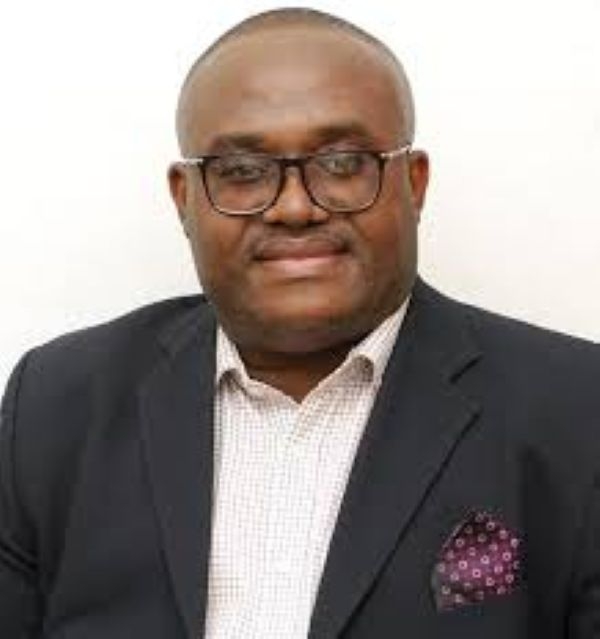 President of the Ghana Medical Association (GMA), Professor Ernest Yorke,
President of the Ghana Medical Association (GMA), Professor Ernest Yorke, has urged the government to immediately address the long-standing challenges discouraging newly deployed doctors from accepting postings to underserved areas.
His appeal follows Health Minister Kwabena Mintah Akandoh’s decision to grant newly assigned doctors an extra week to assume duty, after data showed that the majority had not reported. The Minister described the initial turnout as “deeply troubling,” revealing that 70 percent of the new doctors were yet to take up their posts. The Upper East and Upper West regions had recorded no arrivals as of Friday, November 28.
Speaking in an interview on Wednesday, December 3, 2025, Prof. Yorke said the reluctance of doctors to move to remote areas is driven largely by poor incentives, inadequate facilities, and limited opportunities for career advancement.
He explained that doctors are more likely to accept postings if government pairs expectations with meaningful incentives.
“It’s a chicken-and-egg situation. Incentives could motivate sacrifice, or sacrifice could attract incentives. Ideally, we should pursue both,” he said.
Prof. Yorke added that while the Association continues to encourage its members to accept postings, the government must acknowledge their sacrifices by providing appropriate compensation and support packages.
He noted that many countries reward doctors who accept assignments in hard-to-reach areas and stressed that Ghana can adopt a similar model. He also revealed that the Ministry of Health already possesses a GMA-developed “Deprived Area Incentive” framework, which has yet to be implemented.
The GMA President further highlighted the limited access to postgraduate training in deprived regions, forcing some doctors to pay substantial fees to specialise—another factor pushing them away from remote postings.
Beyond staffing, Prof. Yorke emphasised the importance of completing healthcare infrastructure, particularly abandoned Agenda 111 projects.
“We need more than personnel; we need functional facilities. Why not partner with the private sector to finish these hospital projects?” he suggested.
While reporting rates in Greater Accra, Central and Ashanti regions have been relatively stable, Prof. Yorke noted that many other regions continue to experience severe shortages.
He called on government to hold broader consultations with stakeholders and the public to develop lasting solutions that will ensure equitable healthcare delivery nationwide.
Source: Classfmonline.com/Zita Okwang


Trending News
Gov't boosts security with 40 new armoured vehicles — Interior Minister reaffirms commitment to public safety
11:54
Ghana's Ambassador to Togo promises to emphasise training and cooperation
12:28
N/R: Police command and IGP take on rising criminal activities in Tamale with intensified offensive
19:24
Adams Mahama murder: Accra High Court discharges Afoko, Asabke
23:36
Prof JN Boampong concludes VC tenure at UCC
19:51
Feed Ghana: President Mahama cuts sod for construction of poultry, meat, and feed processing facility in Bechem
21:01
Ghana won't surrender a single street, community, or public space, President Mahama warns crime networks
12:43
Class Media Group, family to hold One-Week Observation for late Joshua Bruce Smith on Friday
11:16
Majority Chief Whip serves notice to block Kpandai MP from parliamentary proceedings
14:59
Interior Minister calls for stronger regional action as West Africa confronts rising drug threat
15:32
