

COMAC and CBOD condemn alleged diversion of LPG fund
Business
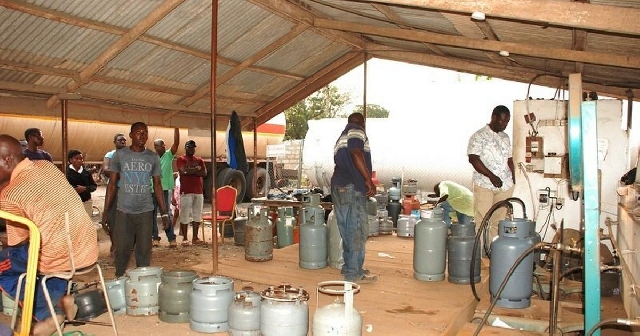 Cylinder handling
The Chamber of Oil Marketing Companies (COMAC) and the Ghana Chamber of Bulk Oil Distributors (CBOD) have issued a strong warning to the government over what they describe as the unlawful diversion of funds from the LPG Fund to the Ghana Cylinder Manufacturing Company (GCMC), declaring that strike action is imminent if the decision is not reversed.
In a joint press release issued in Accra, the two industry bodies said they are appalled by the alleged redirection of funds, calling it a blatant breach of statutory mandate and a dangerous setback to Ghana’s national energy policy.
According to them, the move amounts to a betrayal of public trust and a clear departure from the original purpose for which the LPG Fund was established.
The Associations explained that the LPG Fund was created under Legislative Instruments LI 2262 (as amended) and LI 2481 and has been implemented by the National Petroleum Authority (NPA) since April 1, 2024.
They stressed that the Fund has specific, legally binding objectives and was never intended to be used as discretionary capital for ad- hoc allocations.
Under the structure of the Fund, a USD 44 per metric tonne bottling plant margin is allocated to finance the construction and operation of LPG bottling plants across the country.
Additionally, a USD 36 per metric tonne cylinder investment margin is designated to fund the rollout of the Cylinder Recirculation Model (CRM), aimed at ensuring safer and more efficient LPG distribution nationwide.
COMAC and CBOD described these objectives as non-negotiable, arguing that redirecting the funds to GCMC constitutes a statutory violation that threatens the integrity of Ghana’s LPG safety and infrastructure framework.
They further warned that the alleged diversion poses immediate risks to public safety. By shifting funds away from bottling plant development and CRM implementation, the Associations said the government risks slowing efforts to remove unsafe cylinders from circulation and to improve accessibility to LPG for households.
Beyond safety concerns, the groups highlighted what they called severe economic implications.
They cautioned that legitimate private operators who invested heavily based on THE government’s statutory commitments now face potential collapse.
They also warned of possible job losses across the downstream petroleum value chain, higher prices for consumers, reduced supply, and continued safety hazards.
According to the statement, such actions could discourage both domestic and foreign investors, as confidence in statutory guarantees may be undermined.
The two chambers are demanding immediate corrective measures, including the cessation of all disbursements to GCMC from the LPG Fund, reversal of any allocations already made, and restoration of the funds to their lawful purposes.
They also called on the government to publicly reaffirm the Fund’s mandate and introduce quarterly public reporting on fund utilisation with independent audit verification.
Describing their demands as legal and moral imperatives rather than industry preferences, COMAC and CBOD said the situation presents a critical choice for government—whether to uphold the rule of law and protect citizens or to condone misallocation and weaken the credibility of the energy sector.
They pledged to pursue all legitimate avenues—policy, legal, and public—to defend the proper utilisation of the LPG Fund and vowed not to remain passive while statutory protections are undermined.


Trending News

Social Studies textbook was developed 15 years ago in line with the national curriculum approved at the time- Aki-Ola Publications to MP
01:55
CID engages Nigerian transport operators to strengthen fight against human trafficking
11:55
Government warns public against sharing non-consensual footage amid ongoing cybercrime investigations
17:29
Vice President receives briefing on security, infrastructure and social interventions from Ashanti Region
08:52
President Mahama: I feel the impact of cocoa price cuts as a farmer, too
15:45
Katamanso Adjin-We family rejects installation of Afotey-Agbo, asserts allodial ownership of throne
18:25
Haruna Iddrisu discharged after road traffic accident
17:10
Ho Central MP defends gov't’s economic record, dismisses Minority’s criticism
16:47
Majority, Minority unite in call for tighter hospital security after baby theft at Mamprobi Polyclinic; Police deploy 24/7 surveillance
00:55
President Mahama assents to 24-Hour Authority Bill to boost productivity and jobs
18:07