

South Africa opts out of family values charter over constitutional concerns
News
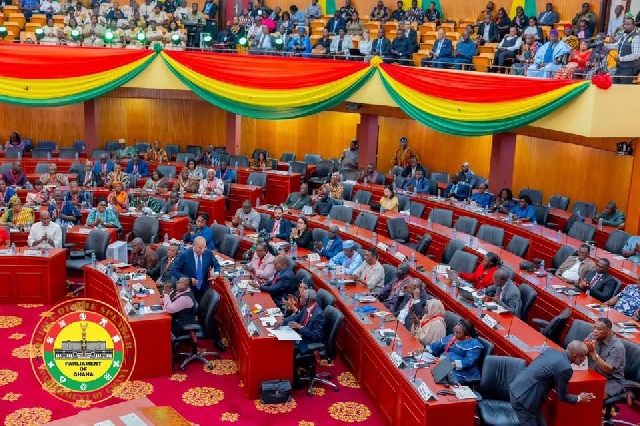 Fourth Inter-Parliamentary Conference on Family, Sovereignty
South Africa has declined to endorse the African Charter on Family, Sovereignty and Values at the Fourth Inter-Parliamentary Conference on Family, Sovereignty and Values currently taking place in Accra, citing constitutional and legal concerns.
The South African delegation said provisions within the proposed Charter, particularly its definition of marriage as a union exclusively between a man and a woman, are inconsistent with the country's constitutional framework and its commitments under regional and international legal instruments.
The position was announced by the head of the South African delegation, Zandile Majozi, during deliberations on Friday, June 5.
According to Ms. Majozi, while South Africa respects the objectives of the conference and the perspectives expressed by participating countries, her country is unable to adopt the Charter because certain provisions conflict with principles enshrined in its Constitution.
She explained that South Africa would therefore reserve its position and opt out of adopting the document.
The development comes amid ongoing discussions at the conference on issues relating to family values, national sovereignty, cultural identity and legislative independence across Africa.
Earlier, Executive Secretary of the National Coalition for Human Sexual Rights and Family Values, Moses Foh-Amoaning, urged African lawmakers to reject arguments linking LGBTQ+ rights to international human rights obligations.
Addressing delegates on Thursday, June 4, Mr. Foh-Amoaning argued that African governments should formulate policies based on their constitutional frameworks, cultural values and national priorities rather than external influences.
He maintained that interpretations of international human rights law frequently cited in support of LGBTQ+ rights remain contested and should be carefully examined by policymakers across the continent.
Mr. Foh-Amoaning also encouraged legislators to remain vigilant in debates surrounding social policy and family values, insisting that African nations must preserve their legislative autonomy when addressing such issues.
The conference has brought together parliamentarians, religious leaders, policymakers and advocacy groups from several African countries to discuss matters relating to governance, family structures, health sovereignty and cultural values.
Discussions are expected to continue as delegates deliberate on policy approaches aimed at strengthening national sovereignty and promoting what participants describe as African-centred development priorities.
Source: Classfmonline.com/Zita Okwang


Trending News

Dorcas Affo Toffey supports Jomoro artisans with tools under National Apprenticeship Programme
10:16
High Court sets July 3 for judgment in Chairman Wontumi illegal mining case
00:50
Minority urges Prez. Mahama government to focus on Jobs, Cost of Living
10:10
C/R: Archbishop Palmer-Buckle pays pastoral visit to Apam parish, confirms 30 young Catholics
13:56
Mahama criticises South Africa’s response to xenophobic attacks
01:27
Transport Ministry to meet GRTCC, GPRTU over proposed 20% fare increase
09:21
Accra-Cape Cost Floods: MP for Okaikwei Central wants works and Housing minister summoned
13:23
'Odadao' eremony in Gbese marks lifting of ban on drumming and noise-making
10:02
Christian Council backs Mahama’s legal review of anti-LGBTQ bill, urges patience and due process
00:47
Institutional Suppliers threaten protest over unpaid free SHS contracts
07:55