
Uncompetitive pricing, liquidity constraints, financing challenges drive cocoa sector difficulties, cabinet outlines way forward
News
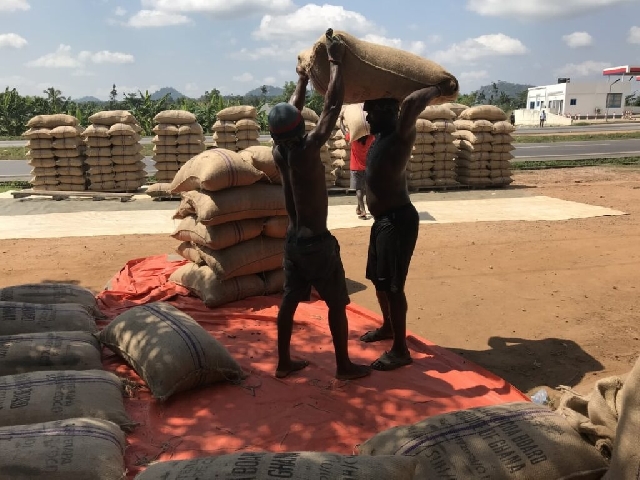 Cocoa in bags
Cabinet has identified uncompetitive pricing, financing constraints and longstanding liquidity challenges at COCOBOD as the main factors driving the current difficulties in Ghana’s cocoa sector.
According to the findings, buyers have become reluctant to purchase Ghana’s cocoa because it has grown uncompetitive on the international market. Cocoa from other producing countries is now selling at prices significantly lower than Ghana’s producer price.
At the same time, COCOBOD lacked the liquidity to purchase cocoa from farmers and stock beans for hedging or other trading decisions. This situation stems from a financing model introduced in the 2024/25 season after the syndicated loan failed, under which buyers, or off-takers, financed purchases.
The challenges, however, predate the current season. By 2022, COCOBOD’s finances had deteriorated significantly, leading to a default and the restructuring of Cocoa Bills in 2023.
On Wednesday, February 11, 2026, Cabinet convened an emergency session to review developments in the cocoa sector.
For the first time, the annual cocoa syndication in 2023 experienced major delays due to reduced confidence in the Ghanaian economy, with the first tranche received on 22nd December 2023, four months after the start of the season.
During the 2023/24 crop season, COCOBOD projected output of 800,000 tonnes and committed 786,672 tonnes in contracts. Actual production, however, stood at 432,145 tonnes, representing a 45 per cent deviation from projections. Crop forecast variations typically range between 5 and 15 per cent, making the shortfall unprecedented.
The production gap resulted in rollover contracts of 333,767 tonnes at an average price of US$2,661 per tonne, leading to losses of over US$1 billion that would otherwise have gone to cocoa farmers and other stakeholders.
In 2024, COCOBOD was unable to pay the final tranche of the syndicated loan due in July and secured a US$70 million bridge financing facility from the Ministry of Finance to avert a default. Despite committing to repay the facility, COCOBOD defaulted, further underscoring the organisation’s financial difficulties. The debt has since been inherited by the current management.
Source: classfmonline.com/Pearl Ollennu


Trending News

Uncompetitive pricing, liquidity constraints, financing challenges drive cocoa sector difficulties, cabinet outlines way forward
18:59
V/R: Police officer, assistant matron and sister arrested over alleged diversion of student food at Wovenu SHTS
08:09
Ghana Water Limited unveils 200 National Service personnel to boost operations
11:37
Cedi to depreciate modestly in 2026 after historic rally - EM Advisory predicts
14:54
You don’t build an economy by betraying the farmers who feed it – NPP’s Yaw Opoku Mensah
23:39
Dr. Apaak appeals to SSA-UoG, TEWU, FUSSAG to call off strike
09:29
Chief of Staff urges practical reforms to unlock Africa’s single market
17:18
Hichilema backs Ghana’s AfCFTA role, calls for deeper intra-African trade
00:58
Deputy Agriculture Minister John Dumelo marks birthday with visit to James Camp Prison
09:25
Dr Randy Abbey: Minority calls for removal of COCOBOD CEO over cocoa 'crisis', price cut
18:31
