
Attack on Class FM journalist: GJA gives Fire Service 14 days to make findings public or risk blacklisting
Politics
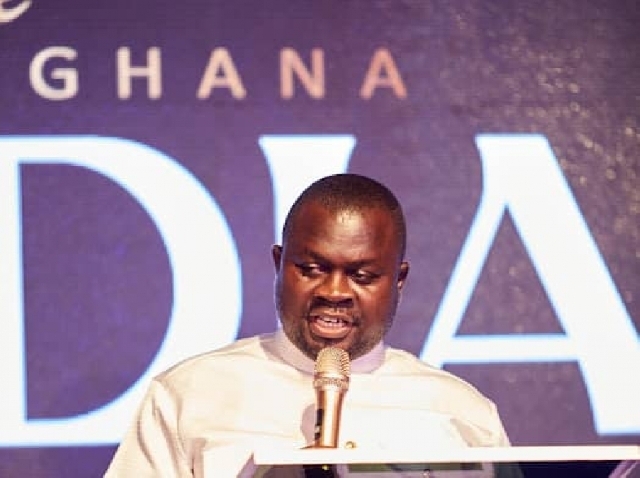 Albert Dwumfour, GJA president
The Ghana Journalists Association (GJA) has issued a stern warning over rising attacks, threats, and intimidation against media personnel across the country, calling for urgent action from state institutions and political actors to ensure journalists’ safety.
Speaking at a press conference at the Ghana International Press Centre in Accra on January 28, 2026, GJA President Albert Dwumfour detailed multiple recent incidents of assaults on journalists, highlighting a troubling pattern of violence that threatens press freedom and democratic governance.
Attack on Class FM Journalist Samuel Addo
The GJA welcomed President John Dramani Mahama’s swift directive for the interdiction of Ghana National Fire Service (GNFS) officers involved in the assault on Class FM reporter Samuel Addo in Kasoa.
However, the Association expressed concern over the continued silence from the Fire Service administration regarding the findings of its internal investigation and the specific measures being taken.
The GJA has reiterated its call for the removal of the Fire Service PRO and for criminal prosecution of all officers involved.
Police Assault on UTV and Peace FM Journalist in Eastern Region
The Association condemned the violent attack on UTV and Peace FM Eastern Regional Correspondent Michael Akrofi, who was allegedly strangled by a police officer while covering a farmers’ protest in Kukurantumi on January 8.
The journalist suffered injuries requiring medical attention.
The GJA demanded the immediate identification, arrest, and prosecution of the officer involved, warning that internal disciplinary measures alone are insufficient.
Military Assault on Journalist in Walewale
GJA also reported an unprovoked attack on Solomon Kwame Kanaluwe, North East Regional Correspondent of Media General, by military personnel in Walewale on January 26.
The journalist was beaten, detained, and had his phone seized, with some content deleted.
The Association called on the Military High Command to investigate, sanction the perpetrators, and provide protection to journalists.
GJA highlighted that the military’s inaction in past assaults continues to damage public confidence in the armed forces.
Threats Against Journalists Covering the Bawku Conflict
The Association raised alarm over death threats and incitement of violence against journalists covering the Bawku conflict, particularly Upper East Regional GJA Chairman Albert Sore.
Social media threats and public labelling of journalists as enemies have created an atmosphere of fear.
GJA designated the area an early warning zone for press safety and demanded sustained police protection and rapid investigations into all threats.
GJA Red Lines and Demands
The GJA established clear “red lines” for journalist safety, including zero tolerance for assault, obstruction, confiscation of equipment, and inadequate response from authorities.
The Association issued specific demands, including:
Public release of GNFS investigation findings within 14 days.
Arrest and prosecution of the police officer involved in Kukurantumi.
Adequate protection for journalists under threat, especially in the Upper East Region.
Directives from security services prohibiting attacks on media personnel.
Political party commitments to safeguard journalists during events, including elections.
Immediate investigation and prosecution of military personnel involved in the Walewale assault.
Condemnation of Societal Violence
GJA also condemned the increasing use of excessive force by law enforcement against civilians, describing it as a violation of constitutional rights and a threat to public trust in state institutions.
The Association called on the President to convene a meeting with security chiefs and media executives to address tensions and restore confidence.
Conclusion
GJA President Albert Dwumfour emphasised that attacks on journalists are attacks on Ghana’s democracy and constitutional order.
He reiterated the Association’s commitment to defending press freedom, pursuing accountability, and ensuring journalists can perform their duties without fear of intimidation or harm.
The GJA warned that failure by authorities to act decisively would lead to both national and international advocacy until justice and protection are secured for media practitioners.
Source: Classfmonline.com/Cecil Mensah


Trending News
“The foundation is strong, and the future is bright” — Ofosu-Adjare outlines Africa’s industrial financing agenda
17:00
Foreign Affairs Ministry approves Ghanaian passport for IShowSpeed
20:40
Chief Justice calls for stronger collaboration between Judiciray and Parliament
09:18
Gov't begins work on 10-year flood management master plan for Greater Accra
13:16
Energy Minister engages WAPCo on gas-to-power policy
12:49
Egyapa Mercer predicts Bawumia to win NPP race by 70%
08:53
'You can’t trace Ken Ofori-Atta's assets’ – NDC’s Ako Gunn reveals
11:41
Vice President Opoku-Agyemang engages Jacob’s Foundation to strengthen foundational education in Ghana
14:32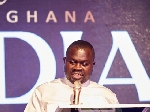
Attack on Class FM journalist: GJA gives Fire Service 14 days to make findings public or risk blacklisting
15:40
“Stay patriotic and non-partisan”: Opong-Fosu urges NUGS
20:32